Why You Feel Tired After Drinking Coffee
Introduction: The Coffee Paradox
Coffee is one of the most consumed beverages in the world. Millions rely on it every morning for focus, motivation, and energy. Yet many people experience the opposite effect: after the initial boost, they feel tired, anxious, or even more exhausted than before.
This is not random. It is biology.
Coffee does not actually create energy. It alters how your brain perceives fatigue and temporarily stimulates your nervous system. The result is a short-term lift followed by a physiological cost.
1. Adenosine Blockade: Why You Feel Awake at First
Caffeine works primarily by blocking adenosine receptors. Adenosine is a molecule that builds up in the brain during the day and signals fatigue.
When caffeine blocks these receptors:
- You feel less tired
- Alertness increases
- Reaction time improves
However, adenosine is still accumulating. Once caffeine wears off, the effect returns stronger — often leading to fatigue.
2. The Energy Crash Explained
After caffeine levels drop, your body experiences a rebound effect.
- Sudden fatigue
- Reduced focus
- Lower motivation
This is why many people feel worse a few hours after drinking coffee.

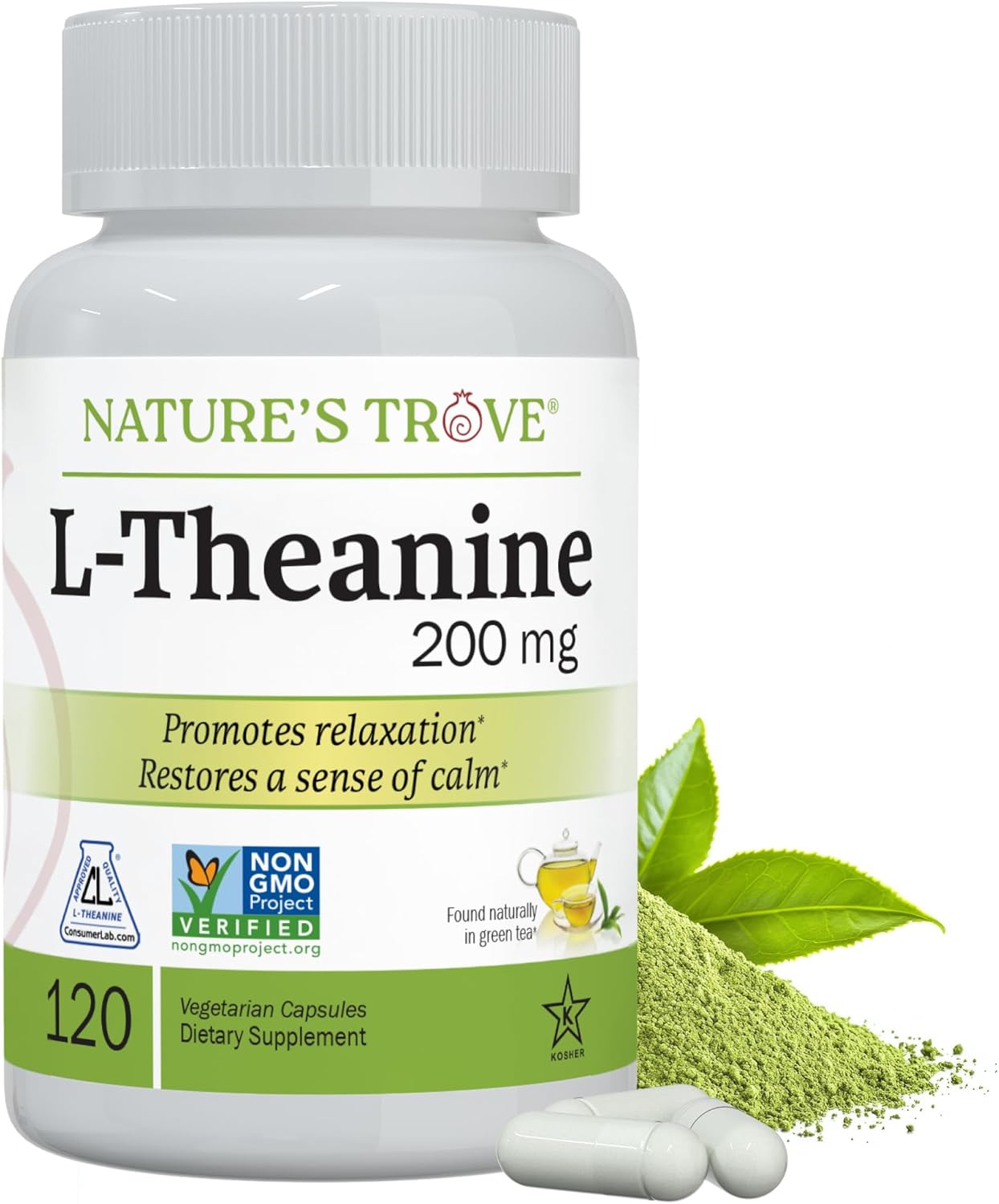
Organic Matcha Green Tea Powder
Provides natural caffeine with L-theanine for smoother energy and fewer crashes.
View on Amazon3. Cortisol & Stress Hormones
Caffeine stimulates cortisol, the body’s primary stress hormone. While this can increase alertness, frequent stimulation may lead to nervous system fatigue.
- Increased stress response
- Sleep disruption
- Reduced recovery

Ashwagandha Extract
Supports stress balance and helps regulate cortisol levels naturally.
View on Amazon4. Blood Sugar Fluctuations
Coffee, especially when consumed with sugar, can disrupt glucose stability.
- Spikes in blood sugar
- Rapid drops leading to fatigue
- Increased cravings
This metabolic instability contributes to energy crashes.

5. Mitochondrial Impact
Energy at the cellular level depends on mitochondria. While caffeine can increase short-term metabolic activity, it does not improve mitochondrial efficiency.
Excessive stimulation without recovery may:
- Increase oxidative stress
- Reduce long-term energy capacity
- Contribute to fatigue cycles

6. Real-Life Insight
High-performance individuals often reduce caffeine dependence and focus on sustainable energy strategies such as sleep optimization, hydration, and metabolic stability.
Studies in performance physiology show that consistent energy comes from supporting biological systems rather than stimulating them.
Conclusion
If you feel tired after drinking coffee, your body is signaling a deeper issue. Coffee temporarily blocks fatigue signals but does not address the root cause.
True energy comes from cellular health — mitochondria, hormones, and metabolic balance.
Understanding this difference helps break the cycle of stimulation and crash.
Scientific References
- Fredholm BB et al. Actions of caffeine in the brain. Pharmacological Reviews. https://pharmrev.aspetjournals.org/content/51/1/83
- Temple JL. Caffeine use in children and adults. Journal of Caffeine Research. https://www.ncbi.nlm.nih.gov/pmc/articles/PMC6296805/
- Goldfarb AH et al. Caffeine and oxidative stress. Free Radical Biology & Medicine. https://pubmed.ncbi.nlm.nih.gov/20638472/
- Glade MJ. Caffeine: Not just a stimulant. Nutrition. https://pubmed.ncbi.nlm.nih.gov/20888549/
- Rogers PJ et al. Caffeine, mood, and performance. Psychopharmacology. https://pubmed.ncbi.nlm.nih.gov/12404081/


