How Stress Ages Your Cells — And How to Reverse It Naturally
Chronic stress does not only drain your mind — it quietly wears down your cells. Learn how it accelerates aging and how to rebuild resilience with simple daily habits.
Introduction
We often frame stress as deadlines, worries, and a racing mind. But the most serious damage happens deeper — inside your cells. Chronic stress can disrupt your energy factories, overwhelm repair systems, and tilt your biology toward faster aging. The good news: your body is built to adapt. With the right signals, you can nudge it back toward repair and renewal.
How Stress Impacts Your Cells
Chronic stress is a biochemical storm that reshapes how cells repair, fuel, and communicate.
Stress hormones & energy drain
Persistently elevated cortisol helps you cope in the moment, but it also suppresses cellular housekeeping, alters glucose and fat use, and leaves fewer resources for deep repair. Over time your mitochondria run harder with less maintenance — a fast track to fatigue.
Inflammation & oxidative damage
Stress shifts the immune system toward a low-grade inflammatory state and increases reactive oxygen species. These reactive molecules damage membranes, proteins, and DNA, pushing cells toward aging phenotypes rather than youthful flexibility.
Metabolic derailment
Cells under pressure lose metabolic flexibility. They struggle to switch fuels efficiently, insulin signaling falters, and fat burning slows. The result: afternoon energy crashes, stubborn weight gain, and poor recovery from everyday stressors.
Mechanisms of Cellular Aging Under Stress
Mitochondrial dysfunction
Mitochondria are your cell’s power plants. Under chronic stress their efficiency drops, electron leakage rises, and ATP output falls. Damaged mitochondria also send danger signals that amplify inflammation, locking in a vicious cycle.
NAD+ & sirtuin decline
NAD+ fuels key longevity enzymes called sirtuins that coordinate DNA repair, mitochondrial quality control, and metabolic balance. Stress and aging lower available NAD+, weakening these protective programs and accelerating cellular wear.
Telomeres, DNA damage & epigenetic drift
Oxidative hits and poor repair shorten telomeres and distort gene-regulating marks. Over time your epigenetic landscape drifts away from youthful patterns, and damaged instructions get copied forward.
How to Reverse the Damage: Lifestyle & Nutrition
The foundation of cellular renewal is simple: consistent sleep, smart movement, targeted nutrition, and brief, controlled stressors that trigger adaptation. Start with small changes and build.
Sleep & circadian rhythm
- 7–9 hours nightly, stable bedtime and wake time.
- Dark, cool room; limit late screens; morning light exposure.
- Short pre-sleep routine to downshift the nervous system.
Movement prescription
- 2–3 sessions/week of resistance training to protect muscle and insulin sensitivity.
- 1–2 interval or tempo sessions/week to stimulate mitochondrial biogenesis.
- Daily easy movement to improve blood flow and recovery.
Nutrition for repair
- Colorful vegetables, quality protein, olive oil, nuts, and oily fish.
- Reduce ultra-processed foods and frequent snacking that keep insulin elevated.
- Consider a 12-hour eating window several days per week to support cellular cleanup.
Hormetic stress (cold, heat, fasting)
- Cold exposure: finish showers with 30–60 seconds cold; build to 2–3 minutes. In winter, brief outdoor exposure with safety and gradual warm-up.
- Heat & sauna: 10–20 minutes warm exposure followed by 2–3 minutes cool down; 2–3 easy cycles as tolerated.
- Time-restricted eating: example 12-hour window (e.g., 8am–8pm) on non-training days.
Top 5 Natural Support Products
These options can complement your foundation. Choose third-party tested brands and consult your clinician.

Nordic Naturals Ultimate Omega (EPA+DHA)
Supports membrane integrity and calm, resilient inflammation balance. Typical daily range: 1–3 g combined EPA+DHA.
View on Amazon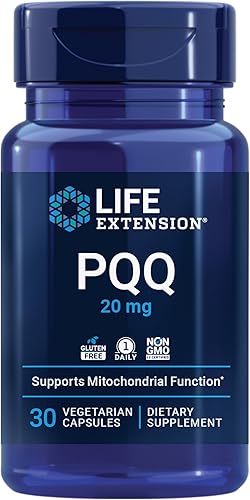
Life Extension PQQ
Pairs well with training and recovery routines that target mitochondrial renewal. Commonly 10–20 mg/day.
View on Amazon
Spermidine (Wheat-Germ Extract)
Supports cellular cleanup programs related to healthy aging. Typical human study range: 1–3 mg/day.
Search on Amazon
TRU NIAGEN (Nicotinamide Riboside)
NAD+ precursor to back up repair enzymes and mitochondrial function. Common trial doses: 250–500 mg/day.
View on Amazon
Doctor’s Best CoQ10
Supports the electron transport chain and cell energy output. Typical range: 100–200 mg/day with a fat-containing meal.
See on AmazonNote: Product links are provided for convenience. They are not medical recommendations.
Real-Life Example
A well-known public case is the structured practice of cold exposure and breathing techniques popularized by a modern cold-training method. Participants trained in this style have demonstrated shifts in autonomic balance and tempered inflammatory responses during lab challenges. The takeaway for everyday readers is not extremity, but the principle: brief, controlled stress plus recovery can teach your system to respond rather than overreact.
Start small, progress gradually, and pair stress with sleep and nutrition — that is how adaptation becomes resilience.
FAQ
Can supplements alone reverse stress-driven aging?
No. They can support your biology, but the foundation is sleep, movement, nutrition, and stress skills. Think “supplement the basics,” not “replace them.”
How long until results?
Energy and mood can improve in weeks. Deeper cellular changes build over months of consistent habits.
Are cold showers, sauna, and fasting safe?
For most healthy adults, yes — if you progress slowly. If you are pregnant, have cardiovascular disease, take prescription drugs, or have chronic conditions, consult your clinician first.
Scientific References
- Oxidative stress & aging biology — foundational review: Finkel & Holbrook, Nature 2000
- Exercise as a tool to protect mitochondrial health: Garatachea et al., Frontiers in Physiology 2021
- Mitochondrial biogenesis control (PGC-1 family): Scarpulla, Biochim Biophys Acta 2011
- NAD+ & sirtuins in aging and disease: Nakagawa & Guarente, Cell Metabolism 2014
- Cold exposure stimulates mitochondrial biogenesis in humans: Lehmann et al., J Physiol 2013
- Sauna exposure & mortality risk (Finnish cohorts): Laukkanen et al., JAMA Intern Med 2015
- NRF2-mediated antioxidant/adaptive response during exercise: Vargas-Mendoza et al., Antioxidants 2019
- Intermittent fasting/time-restricted eating & metabolic flexibility: Patterson & Sears, Cell Metabolism 2017
- Omega-3s alter mitochondrial membrane composition in humans: Herbst et al., Am J Clin Nutr 2014
- PQQ supplementation & mitochondrial biogenesis signals with training: Hwang et al., J Am Coll Nutr 2020
- Spermidine in older adults — human signals: Wirth et al., JAMA Netw Open 2022
- Urolithin A randomized clinical trial in older adults: Liu et al., JAMA Netw Open 2022
- Voluntary control of autonomic/immune responses with breathing+cold training: Kox et al., PNAS 2014


