Telomeres: The Real Clock of Aging and How to Protect Them Naturally
Deep inside your cells sits a tiny biological clock that counts down your remaining healthy divisions. These clocks are your telomeres. The good news: daily choices and a handful of smart nutrients can help slow that countdown and support healthy aging.
Table of contents
- What telomeres are and why they matter
- Why telomeres shorten with age
- How stress and lifestyle speed up telomere aging
- Natural ways to protect your telomeres
- Key nutrients and supplements that support telomeres
- Real-life example: lifestyle and longer telomeres
- Frequently asked questions
- Conclusion
- Scientific References
What are telomeres and why do they matter?
Every time a cell divides, it has to copy its DNA. To protect the important genes from damage, the ends of each chromosome are capped with special repetitive sequences called telomeres. You can imagine them as the plastic tips at the ends of your shoelaces that stop the laces from fraying.
With each cell division, telomeres get a little shorter. When they become too short, the cell can no longer divide safely. It either goes into a kind of retirement state called cellular senescence or it dies. This is one of the core biological reasons why tissues age over time.
There is also a repair enzyme called telomerase that can rebuild telomeres. In most normal adult cells, telomerase is only weakly active, which is why telomeres still shrink over time. But under certain conditions, telomerase can increase or stabilize telomere length, and that is where lifestyle and targeted nutrition come into the picture.
Why telomeres shorten with age
Normal cell division
Telomere shortening is built into the way DNA is copied. Each time a cell divides, the very ends of the DNA strands cannot be fully duplicated. A little piece is lost, and telomeres are designed to be that sacrificial buffer zone.
Oxidative stress and inflammation
Telomeres are especially sensitive to oxidative stress and chronic inflammation. Free radicals, produced by smoking, pollution, poor diet, or excess visceral fat, can damage telomeric DNA. At the same time, inflammatory signals encourage cells to divide more often to repair tissues, which uses up telomeres faster.
Unhealthy lifestyle factors
- Chronic psychological stress and unresolved trauma
- Sleep deprivation and irregular sleep schedules
- Ultra processed, low nutrient diets and excess sugar
- Physical inactivity and long periods of sitting
- Smoking and heavy alcohol consumption
- Exposure to certain environmental toxins
Large population studies have linked shorter leukocyte telomere length with higher risk of cardiovascular disease, diabetes, obesity and overall mortality. In other words, telomeres are both a marker of biological aging and a possible driver of age related decline.
How stress and lifestyle can speed up telomere aging
Chronic stress and the stress hormone cortisol
Short bursts of stress are normal and even useful. The problem is chronic, unrelenting stress: caregiving burden, money worries, constant job pressure, social isolation. Long term stress keeps cortisol high, which increases oxidative stress and inflammatory signaling and is repeatedly linked with shorter telomeres in human studies.
Research has found that people under long term psychological stress often have telomeres that look years older than those of less stressed peers who are the same chronological age. Interestingly, stress management practices such as meditation, breathing training and group support appear to protect telomere length in several trials.
Sleep, circadian rhythm and telomeres
Poor sleep does not just make you tired. It disrupts circadian rhythms, increases nighttime cortisol, and raises inflammatory markers. Studies have reported shorter telomeres in people who regularly sleep less than six hours per night or who have highly irregular sleep patterns, even when age and other factors are taken into account.
Diet quality and telomeres
Diets rich in vegetables, fruits, whole grains, legumes, nuts, olive oil and fish are repeatedly associated with longer telomeres in observational research. These patterns resemble a Mediterranean style diet, which naturally delivers:
- Antioxidants such as vitamin C, vitamin E and polyphenols
- Anti inflammatory fats, especially omega 3 fatty acids from fish
- Stable blood sugar through fiber and unrefined carbohydrates
On the other hand, diets heavy in processed meat, refined flour, sugar sweetened drinks and trans fats tend to correlate with shorter telomeres and higher markers of inflammation.
Movement as a telomere friendly signal
Regular physical activity is one of the strongest natural signals for cellular maintenance. Endurance exercise, brisk walking and strength training all help improve mitochondrial function, reduce inflammation and support metabolic flexibility. Meta analyses show that physically active adults often have longer leukocyte telomere length than sedentary adults, even after adjusting for age and other risk factors.
Natural ways to protect your telomeres day by day
1. Build a telomere friendly sleep routine
- Aim for 7 to 9 hours of sleep most nights.
- Go to bed and wake up at similar times, even on weekends.
- Keep the bedroom dark, cool and quiet, and remove bright screens at least 30 to 60 minutes before sleep.
- If racing thoughts keep you awake, use a short breathing or mindfulness practice in bed.
2. Move your body most days of the week
You do not need extreme training to send strong anti aging signals to your cells. A practical weekly target:
- Cardio: At least 150 minutes per week of moderate intensity movement (for example brisk walking, cycling, light jogging).
- Strength training: Two or more sessions per week focusing on major muscle groups.
- Light movement breaks: Stand up and walk around briefly every 45 to 60 minutes if you sit all day.
3. Eat in a way that calms inflammation
Emphasize foods that have been linked with better telomere maintenance:
- Plenty of colorful vegetables and fruits each day
- Olive oil, nuts, seeds and avocados as primary fats
- Fatty fish such as salmon or sardines twice per week
- Beans, lentils and other high fiber plant foods
- Limited intake of processed meat, sugary drinks and refined snacks
4. Manage stress in ways that work for you
Techniques that show promise in telomere research include:
- Mindfulness meditation and breathing exercises
- Gentle yoga, tai chi or qigong
- Spending more time in nature and with supportive friends
- Psychotherapy or coaching for long standing emotional burdens
5. Avoid the biggest telomere threats
- Do not smoke, and seek help to quit if you do.
- Limit heavy drinking and frequent binge episodes.
- Work with a clinician to manage blood pressure, blood sugar and lipids.
- Minimize unnecessary exposure to toxic solvents, heavy metals and air pollution where possible.
Key natural compounds and supplements that may support telomeres
Supplements cannot replace sleep, movement and diet, but some nutrients make biological sense for slowing cell aging and have supportive research in humans. Always discuss new supplements with your healthcare professional, especially if you have medical conditions or take prescription medication.
1. Omega 3 fatty acids (EPA and DHA)
Omega 3 fatty acids from marine sources help reduce chronic inflammation, support cardiovascular health and may slow telomere shortening. Several studies associate higher omega 3 levels with longer telomeres or slower telomere attrition over time.
High potency fish oil delivering EPA and DHA from wild caught fish to support heart, brain and cellular health as part of a telomere friendly lifestyle.
View on Amazon ➜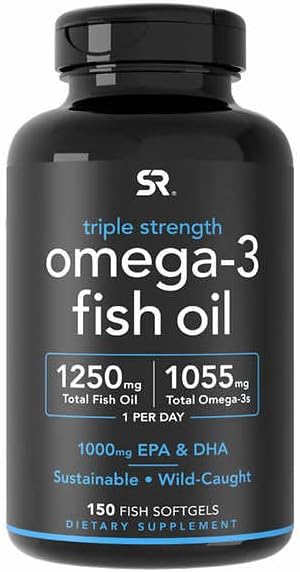
2. Vitamin D3
Vitamin D plays roles in immune function, bone health and inflammation modulation. Low vitamin D status is associated with shorter telomeres in several population studies. Correcting a deficiency may therefore support healthier biological aging.
High potency vitamin D3 softgels that can help bring blood vitamin D into an optimal range when used under medical supervision and combined with a healthy lifestyle.
View on Amazon ➜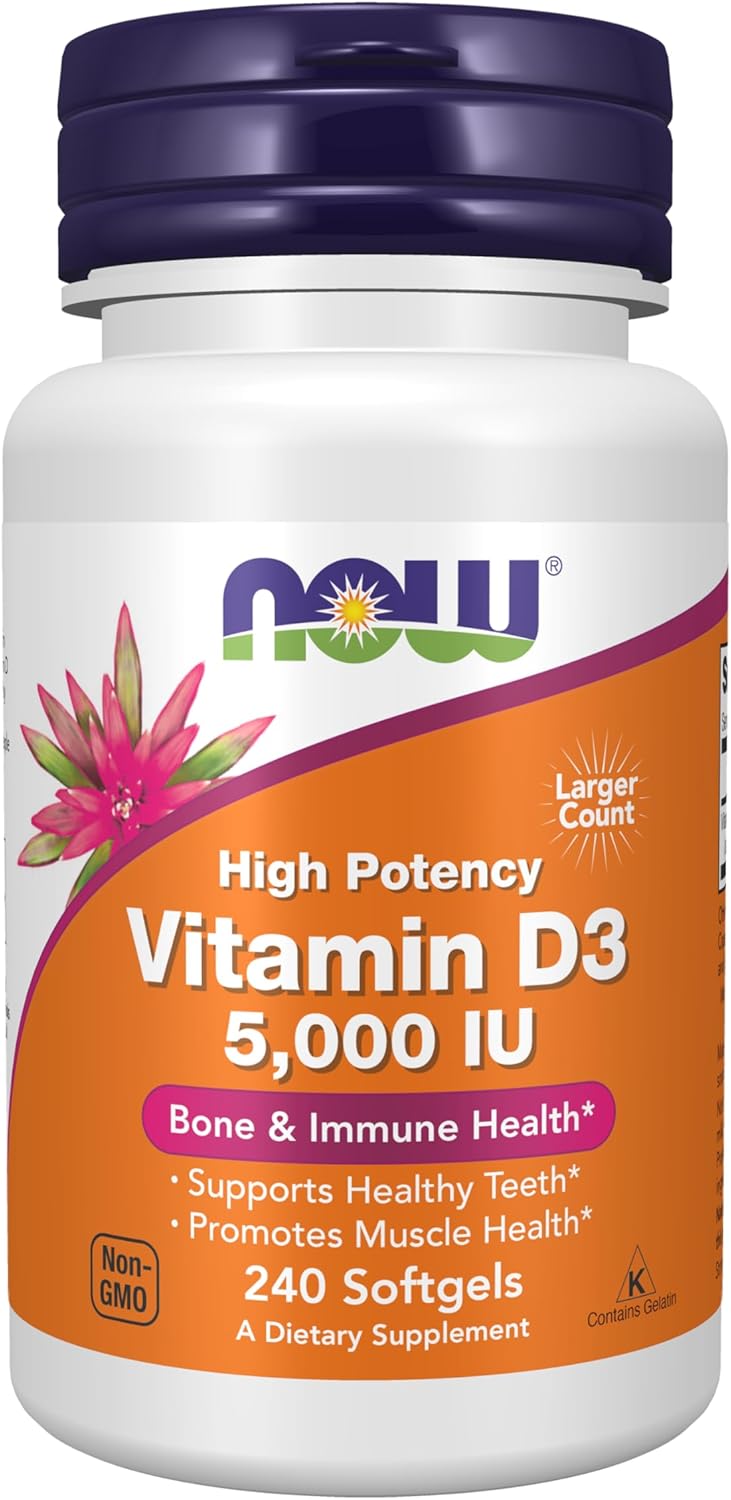
3. High quality multivitamin with antioxidants
Telomeres are vulnerable to oxidative damage. A comprehensive multivitamin that includes B vitamins, vitamin C, vitamin E, zinc and other micronutrients can help fill nutritional gaps and support antioxidant defenses, especially in people who do not consistently eat a nutrient dense diet.
A high potency multivitamin and mineral formula providing a broad spectrum of micronutrients that support cellular repair, energy metabolism and antioxidant protection.
View on Amazon ➜
4. Resveratrol and NAD related support
Resveratrol is a plant polyphenol that activates longevity related pathways in cells and has been widely studied in the context of aging biology. Combined with nicotinamide riboside, a precursor of NAD plus, it may support mitochondrial function, stress resistance and DNA repair, which indirectly protects telomeres.
A targeted formula that combines nicotinamide riboside with resveratrol and supporting nutrients to help maintain cellular energy and healthy aging pathways when used alongside lifestyle change.
View on Amazon ➜
5. Adaptogenic herb for stress balance (Ashwagandha)
Since chronic stress is a strong accelerator of telomere shortening, tools that reduce perceived stress and improve sleep quality can indirectly support telomere health. Ashwagandha is an adaptogenic herb with evidence for lowering perceived stress and improving sleep in some people.
A concentrated ashwagandha root extract designed to support a calmer stress response, balanced mood and better sleep, which are all important for healthy biological aging.
View on Amazon ➜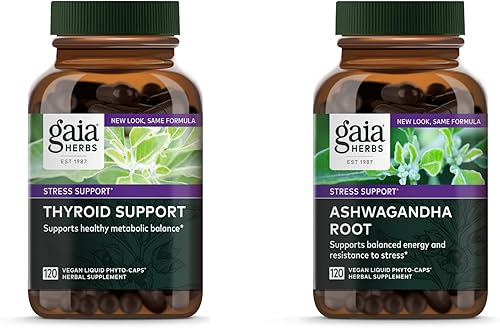
Real-life example: lifestyle changes and longer telomeres
One of the most famous examples of telomere support in humans comes from a small but influential study led by Dr Dean Ornish and Nobel laureate Dr Elizabeth Blackburn. Men with low risk prostate cancer followed an intensive lifestyle program for several years: plant based diet, regular exercise, stress management practices and strong social support.
Compared with the control group, the lifestyle group showed increased telomere length on follow up, rather than the expected decline with age. The more closely participants stuck to the lifestyle program, the greater the improvements in telomere measures. Although the study was small, it demonstrates how powerful everyday choices can be in shaping the cellular clock.
This does not mean you need to copy that exact protocol. It does show that your telomeres respond to the combination of:
- Anti inflammatory, nutrient dense food patterns
- Regular movement and exercise
- Meaningful stress management
- Social connection and support
Frequently asked questions
Conclusion
Telomeres are one of the most concrete ways science has to measure the pace of biological aging. They shorten with each cell division, but the speed of that shortening is strongly influenced by how you live. Chronic stress, poor sleep, inflammatory diets, inactivity and toxins all push your cellular clock to tick faster.
The encouraging news is that you have real leverage. A telomere friendly life includes:
- Consistent, restorative sleep and regular movement
- Nutrient dense food patterns rich in plants and healthy fats
- Stress management and emotional support
- Thoughtful use of evidence informed supplements when appropriate
You cannot stop time, but you can influence how gently it lands on your cells. Think of each meal, walk, meditation session and supplement choice as a message to your telomeres that you are investing in a longer, more energetic and more resilient life.
Scientific References
- Verma AK, Rajesh S, Parveen A. Unravelling the role of telomere shortening with ageing and age related diseases. Ageing Res Rev. 2022. https://www.sciencedirect.com/science/article/abs/pii/S0040816622001975
- Shammas MA. Telomeres, lifestyle, cancer, and aging. Curr Opin Clin Nutr Metab Care. 2011. https://journals.lww.com/co-clinicalnutrition/Abstract/2011/01000/Telomeres,_lifestyle,_cancer,_and_aging.6.aspx
- Epel ES, Blackburn EH, Lin J, et al. Accelerated telomere shortening in response to life stress. Proc Natl Acad Sci USA. 2004. https://pubmed.ncbi.nlm.nih.gov/15574496/
- Oliveira BS, Zunzunegui MV, Quinlan J, et al. Systematic review of the association between chronic social stress and telomere length. Biol Psychol. 2016. https://www.sciencedirect.com/science/article/abs/pii/S0301051115300424
- Song S, Lee Y, Kim YJ, et al. Does exercise affect telomere length? A systematic review and meta analysis of randomized controlled trials. Medicina. 2022. https://www.mdpi.com/1648-9144/58/2/242
- Puterman E, Lin J, Blackburn EH, et al. The power of exercise: buffering the effect of chronic stress on telomere length. PLoS One. 2010. https://journals.plos.org/plosone/article?id=10.1371/journal.pone.0010837
- Haycock PC, Heydon EE, Kaptoge S, et al. Leucocyte telomere length and risk of cardiovascular disease: systematic review and meta analysis. BMJ. 2014. https://www.bmj.com/content/349/bmj.g4227
- Milte CM, Sinn N, Street SJ, Buckley JD, Coates AM, Howe PRC. Diet quality and telomere length in older Australian men and women. Eur J Nutr. 2018. https://link.springer.com/article/10.1007/s00394-016-1326-6
- Zhu H, Spitznagel MB, Serpil Eroglu et al. Associations of vitamin D and marine omega 3 fatty acid supplementation with leukocyte telomere length in the VITAL trial. Am J Clin Nutr. 2025. https://academic.oup.com/ajcn/article/121/3/630/8036031
- Ornish D, Lin J, Chan JM, et al. Effect of comprehensive lifestyle changes on telomerase activity and telomere length in men with biopsy proven low risk prostate cancer: 5 year follow up of a descriptive pilot study. Lancet Oncol. 2013. https://www.thelancet.com/journals/lanonc/article/PIIS1470-2045(13)70366-8/fulltext


