Hormesis: Why Mild Stress Makes You Younger
How small doses of stress—cold, heat, fasting, exercise—turn on your body’s repair systems, boost mitochondrial strength, and support longevity.
What is hormesis?
Hormesis is a biological phenomenon where small amounts of stress actually strengthen your system. Think of it like lifting weights: you give your muscle a little stress (a few reps), it adapts and gets stronger. On a cellular level, mild stressors can activate pathways that improve resilience, repair damaged components, remove dysfunctional mitochondria, and build healthier ones.
The idea is: “What doesn’t kill you makes you stronger” — at the right dose. Too little stress = no stimulus; too much = damage. Hormesis sits in the sweet middle.
Why mild stress triggers beneficial adaptation
Here’s why hormesis matters:
- Cellular repair activation: Mild stress triggers repair systems (DNA repair, protein recycling) that remain dormant otherwise.
- Mitochondrial renewal: Stressors like cold and exercise promote mitophagy (clearing damaged mitochondria) and biogenesis (building new ones), improving cellular energy capacity. PMC
- Improved metabolic flexibility: When cells face transient stress, they become better at switching between fuels (glucose/fat) and resist insulin resistance.
- Reduced chronic burden: Repeated mild stress improves resilience; without it, cells degrade more quickly from oxidative damage, poor lifestyle, aging.
In short, hormesis takes your body from “passive maintenance” mode into “adaptive growth and repair” mode.
Key mechanisms: mitochondrial renewal, DNA repair & resilience
Mitophagy & biogenesis
Under mild stress, dysfunctional mitochondria trigger mitophagy — the “cellular trash removal” system — and new mitochondria are built via mitochondrial biogenesis (PGC-1α, NRF1/2). This improves energy output and metabolic health.PubMed
DNA repair & sirtuin/NAD+ axis
Stress responses activate sirtuins (SIRT1, SIRT3) and increase NAD+ consumption which leads to greater DNA repair and metabolic resilience. Hormesis triggers this axis. PMC
Inflammation modulation
Small stressors up-regulate antioxidant and anti-inflammatory systems (like NRF2) rather than just suppressing symptoms. This is why people who regularly sauna or exercise show healthier markers of inflammation and longevity. MDPI
Real-life example: Wim Hof Method & cold adaptation
Have you heard of Wim Hof, aka “The Iceman”? He built his brand around cold exposure, breathing techniques and heat/cold cycles. Beyond the spectacle, his story illustrates hormesis in action. Participants of Hof-style cold training and breathing protocols showed improved immune responses, autonomic function and mitochondrial responses. PNAS
“It’s not the cold itself, it’s the adaptation your body develops — your mitochondria are listening.”
You don’t have to jump into ice baths like Wim — the principle holds: deliberately and safely subjecting your body to manageable stress (e.g., 60 s cold shower, sauna rapid switch) stimulates your adaptive biology.
How to apply hormesis safely — your practical guide
Here are safe, high-utility hormetic practices to incorporate into your routine. Think: “stress it so it adapts”, not “stress it so it breaks.”
1. Cold exposure
- Start with a 30-60 second cold shower post-warm-shower. Gradually shift to 2–3 minutes.
- Outdoor winter exposure (with safety): 5–10 minutes in 10 °C environment, warm up slowly after.
- Why it works: Cold activates mitochondrial biogenesis via norepinephrine, PGC-1α and UCP1 in brown fat. PMC
2. Heat & sauna
- Use a sauna or hot bath (85–100 °C) for 10–20 minutes, then cool down for 2–3 minutes; repeat 2–3 cycles.
- Why: Heat shock proteins (HSPs) and improved mitochondrial function are stimulated; long-term sauna use correlates with reduced mortality.PMC
3. Intermittent fasting / time-restricted eating
- Example: 12h eating window (e.g., 8 am-8 pm) or 16:8 fast/eat schedule.
- Why: Temporarily lowering nutrient intake / insulin triggers mitophagy and improves metabolic flexibility.PMC
4. Exercise (high-leverage hormesis)
- Resistance training 2–3×/week + one HIIT or tempo session.
- Why: Stimulates mitochondrial biogenesis strongly and is one of the most potent “hormetic” stimuli. Supplements help but exercise leads the way. PMC
5. Nutrient support to amplify the effect
The following supplements support hormetic pathways — they are not required, but they can amplify your response when paired with the above stressors.
Top 5 product picks for hormetic support
Here are five quality supplements (available on Amazon) that complement hormetic practices. Always choose third-party tested brands and consult your clinician before adding.

TRU NIAGEN (Nicotinamide Riboside)
Boosts NAD+ to support repair pathways and mitochondrial adaptation. Typical dose: 250-500 mg/day.
View on Amazon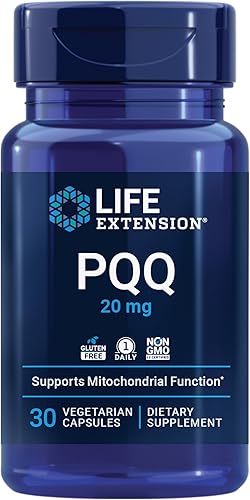
Life Extension PQQ
Pyrroloquinoline Quinone (PQQ) helps trigger mitochondrial biogenesis after stress stimuli. 10–20 mg/day.
View on Amazon
Spermidine Wheat-Germ Extract
Supports autophagy and cellular renewal; typical study doses are 1-3 mg/day.
Search on Amazon
Nordic Naturals Ultimate Omega (EPA+DHA)
Supports membrane health and reduces chronic inflammation. Dose: 1-3 g daily depending on goals.
Search on Amazon
Adaptogenic Stack (Rhodiola + Ashwagandha)
Supports resilience, stress-response and helps your body handle hormetic stress better.
Search on AmazonFAQ
Is hormesis safe?
Yes — when done properly with moderation. The key is “manageable stress”, not extreme exposure. If you have serious health conditions (cardiac, autoimmune, thyroid), consult your doctor before ice baths, saunas or fasting.
How long until I feel benefits?
Some benefits (feeling more alert after a cold shower, improved mood after sauna) may appear in days. Deep cellular renewal (mitophagy/biogenesis) takes weeks to months of consistent practice plus nutrition.
Can supplements replace the lifestyle hacks?
No. Supplements + stressors work best when paired with solid lifestyle: sleep, whole foods, movement and stress management. Supplements alone don’t drive the core adaptations.
Conclusion — Harnessing the Power of Hormesis
Aging is not just the passage of time — it’s the gradual loss of adaptability. Hormesis shows us that by introducing controlled doses of stress, we can reignite the body’s natural repair and renewal systems. Cold, heat, exercise, and fasting aren’t just “biohacks” — they are ancestral cues that train our mitochondria to perform better, burn cleaner fuel, and resist damage.
When combined with key nutrients like NAD⁺ precursors, PQQ, omega-3s, and spermidine, these practices amplify mitochondrial renewal and cellular resilience. The result? More energy, sharper focus, and biological youth that extends far beyond cosmetics.
Remember — the goal isn’t to avoid stress, but to use it wisely. A few minutes of discomfort today builds the foundation for vitality tomorrow. Your mitochondria are always listening — give them something worth adapting to.


