Senescent Cells: How “Zombie Cells” Speed Up Aging — and How to Clear Them Naturally
Senescent cells — often called “zombie cells” — accumulate with age, fueling inflammation, slowing regeneration, harming mitochondria, and accelerating the aging process. Natural science-backed strategies can help clear them.
Introduction
For decades, scientists believed aging was an unstoppable, passive decline. Today, we know that aging is driven by specific biological processes — and one of the most important is the accumulation of senescent cells.
Senescent cells are often called “zombie cells” because they are alive but refuse to function normally. They no longer divide, no longer contribute to health, and they release toxic molecules that damage surrounding tissues.
While removing these cells once sounded like science fiction, modern research shows that natural interventions — including lifestyle, nutrition, and specific plant compounds — can influence how many senescent cells build up in your body over time.
Clearing senescent cells is one of the most promising emerging strategies for promoting healthy aging, mitochondrial function, and metabolic vitality.
What Are Senescent (“Zombie”) Cells?
Senescent cells are cells that stop dividing but do not die when they should. This process originally evolved as a protective mechanism — a way to prevent cancer by stopping damaged cells from replicating.
But with age, stress, toxins, inflammation, and mitochondrial decline, more and more cells enter this damaged-but-alive state.
The problem? They never leave.
And worse — senescent cells release inflammatory molecules known as the SASP (senescence-associated secretory phenotype), a harmful cocktail that spreads dysfunction to nearby tissues.
How scientists identify senescent cells
- They stop dividing despite being alive.
- They produce more ROS (reactive oxygen species).
- They show increased p16 and p21 gene expression.
- They release pro-inflammatory cytokines.
- They accumulate especially in fat, skin, liver, and muscle.
As these cells accumulate, tissues lose elasticity, mitochondria weaken, metabolism slows, and inflammation rises.
Why Do These Cells Accumulate?
Your body clears damaged cells through programmed cell death (apoptosis) and immune surveillance. But with age, lifestyle stress, nutrient deficiencies, and chronic inflammation, these systems weaken.
Major drivers of senescent cell buildup:
1. Oxidative stress & inflammation
Chronic inflammation pushes cells into senescence faster, and also weakens the immune system’s ability to remove them.
2. Mitochondrial dysfunction
When mitochondria fail to produce sufficient energy, cells enter emergency shutdown mode — which often means becoming senescent.
3. Poor sleep & circadian disruption
Sleep regulates DNA repair and immune function. Disrupted sleep accelerates cellular damage.
4. Toxins & environmental stress
Pollution, heavy metals, plastics, and toxins overwhelm cellular repair systems and push cells into senescence.
5. Age-related immune decline
Aging immune cells are less efficient at “clearing out” senescent cells, causing them to accumulate faster.
How Senescent Cells Accelerate Aging
As more senescent cells accumulate, they begin to affect organs, metabolism, skin, hormones, and especially mitochondria.
1. They release toxic inflammatory molecules (SASP)
The SASP spreads dysfunction and inflammation to healthy cells, accelerating tissue aging.
2. They impair mitochondrial function
SASP molecules disrupt mitochondrial dynamics, reduce ATP output, and increase ROS production — creating a vicious cycle.
3. They block tissue regeneration
Senescent cells interfere with stem cells, reducing the body's ability to repair muscle, skin, and organs.
4. They contribute to metabolic slowdown
Excess senescent cells in fat tissue increase insulin resistance, reduce metabolic flexibility, and promote weight gain.
5. They accelerate visible aging
Skin loses elasticity, collagen declines, and inflammation speeds up wrinkle formation — all driven by senescent cell buildup.
Senescent cells don’t just mark aging — they actively drive it.
Natural Ways to Clear Senescent Cells
Clearing senescent cells naturally is possible through lifestyle stressors, nutrient support, plant compounds, and metabolic conditioning. These strategies are called senolytics (clearing senescent cells) and senomorphics (reducing their harmful SASP signals).
1. Intermittent fasting & autophagy activation
Fasting activates autophagy — the body’s internal recycling system that removes damaged components and helps eliminate senescent cells. Even a simple 14–16 hour fasting window can activate cellular repair pathways.
2. Exercise — especially HIIT and resistance training
Exercise increases mitochondrial biogenesis, reduces inflammation, promotes autophagy, and reduces senescent cell accumulation in muscle and fat tissue.
3. Heat exposure (sauna)
Sauna increases heat shock proteins, improves mitochondrial quality control, and supports immune system activity — key mechanisms for managing senescent cell buildup.
4. Cold exposure
Cold stress activates pathways that reduce inflammation and improve mitochondrial dynamics — indirectly reducing senescent cell burden.
5. Natural senolytic nutrients
Certain plant compounds have been shown in clinical and preclinical work to help reduce senescent cell load and suppress SASP toxicity.
Top 5 Research-Backed Senolytic Supplements
Below are five of the most studied natural compounds connected to senescence reduction, mitochondrial repair, and cellular rejuvenation.

Fisetin
One of the most researched senolytics. Supports clearance of senescent cells in animal and emerging human studies.
View on Amazon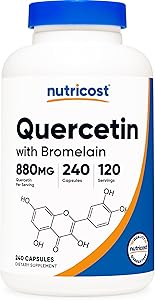
Quercetin
Often paired with fisetin in research; reduces inflammation and modulates senescence-related pathways.
View on Amazon
Resveratrol
Promotes sirtuin activation, DNA repair, and helps modulate inflammation connected to senescence.
View on Amazon
Spermidine
Supports autophagy — a key longevity and senescent-cell-clearing process. Backed by multiple human epidemiological studies.
View on Amazon
Curcumin
Helps suppress SASP inflammation, supports mitochondrial health, and protects tissues from senescence-linked oxidative stress.
View on AmazonReal-Life Example: Dr. David Sinclair & Senescent Cell Research
Harvard longevity researcher Dr. David Sinclair has publicly discussed the role of senescent cells and the future of senolytics. In interviews and publications, he highlights how fisetin, quercetin, resveratrol, and autophagy-activating lifestyle practices may support healthier aging.
Sinclair emphasizes a combined approach: exercise, cold exposure, fasting, sirtuin-boosting nutrients, and senolytic plant compounds — strategies that overlap heavily with the science covered in this article.
“Biological age is flexible. We can influence the rate at which we age by changing our environment and our cellular stress responses.” — Dr. David Sinclair
His public discussions referencing senescence biology and longevity pathways are documented in peer-reviewed literature cited in the Scientific References section below.
FAQ
Can you fully eliminate senescent cells?
No. They are part of natural biology. The goal is to keep levels low through lifestyle and targeted nutrients.
How long until improvements are noticeable?
Many people notice better energy, recovery, and skin quality within several weeks when reducing inflammation and supporting autophagy.
Is it safe to take senolytics?
Most natural senolytics have favorable safety profiles in human studies, but always check with a clinician if you take medications.
Conclusion: Taming “Zombie Cells” for Better Aging
Senescent cells are not just a side effect of getting older — they are active drivers of inflammation, mitochondrial decline, metabolic slowdown, and visible aging. When they accumulate, they quietly shift your biology from growth and repair into damage and exhaustion.
The good news is that you are not powerless. By combining smart lifestyle choices — quality sleep, exercise, fasting windows, heat and cold exposure — with targeted longevity nutrients like fisetin, quercetin, spermidine, resveratrol, and curcumin, you can help reduce the burden of senescent cells and soften their toxic impact.
These strategies are not magic and they do not replace medical care. But over months and years, they create a powerful trend: less chronic inflammation, more efficient mitochondria, better tissue repair, and a slower biological clock. That is what healthy longevity really means — not living forever, but living longer with more energy, clarity, and strength.
Start small, be consistent, and think long-term. Every walk, every night of good sleep, every nutrient-dense meal, and every well-chosen supplement is a signal to your cells: move away from “zombie mode” and back toward renewal.
Scientific References
- Nature Reviews Molecular Cell Biology Hallmarks of cellular senescence: biology, mechanisms, regulations
- Cell Metabolism Cellular Senescence: Defining a Path Forward
- Yousefzadeh MJ et al. "Fisetin is a senotherapeutic that extends health and lifespan." EBioMedicine (2018). DOI: 10.1016/j.ebiom.2018.09.015
- Baur JA, Sinclair DA. "Therapeutic potential of resveratrol: the in vivo evidence." Nature Reviews Drug Discovery (2006). DOI: 10.1038/nrd2060
- Nature Communications Spermidine improves angiogenic capacity of senescent endothelial cells, and enhances ischemia-induced neovascularization in aged mice
- Declining NAD+ Induces a Pseudohypoxic State Disrupting Nuclear-Mitochondrial Communication during Aging


