The Science of Cellular Recovery: How Your Body Repairs Itself
Introduction: Your Body Is Always Repairing Itself
Every second of your life, your body is repairing, rebuilding, and renewing itself. Cells are damaged by metabolism, stress, toxins, and daily activity — yet most of this damage is invisible because your body constantly works to fix it.
This process is called cellular recovery, and it is one of the most important foundations of health, energy, and longevity.
The problem is not damage. The problem is when repair systems fall behind.
1. The Biology of Cellular Damage
Cells are exposed to continuous stress from both internal and external sources:
- Oxidative stress from metabolism
- Inflammation from diet and environment
- Physical stress from movement and activity
- Mental stress affecting hormones
This damage affects DNA, proteins, lipids, and mitochondria. Without efficient repair, cellular function declines.
2. DNA Repair: Fixing the Blueprint
Your DNA is constantly being damaged and repaired. Cells use multiple repair pathways to maintain genetic stability.
- Base excision repair
- Nucleotide excision repair
- Double-strand break repair
These systems depend on molecules like NAD+, which decline with age.
3. Mitochondrial Recovery & Energy Renewal
Mitochondria produce energy, but they also degrade over time. Your body removes damaged mitochondria through mitophagy and creates new ones through biogenesis.
When this balance is disrupted, energy declines.
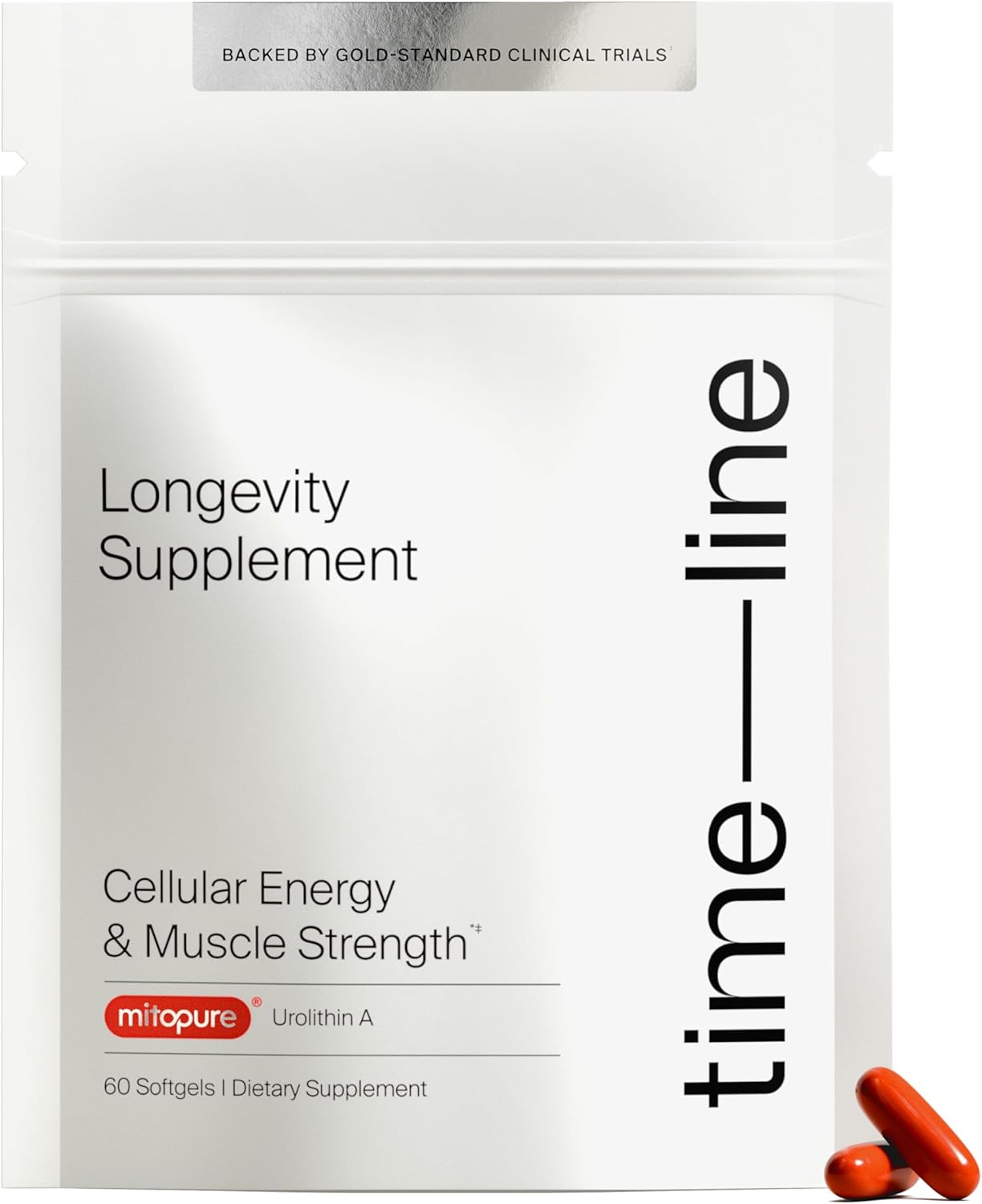
Urolithin A Supplement
Studied for supporting mitophagy and mitochondrial renewal processes.
View on Amazon4. Autophagy: The Cellular Cleanup System
Autophagy is the process by which cells remove damaged components and recycle them. It is essential for maintaining cellular health.
Autophagy is activated by:
- Fasting
- Exercise
- Caloric restriction
Without it, damaged proteins and organelles accumulate.
5. Sleep: The Peak Repair Window
The most intense cellular repair occurs during deep sleep, especially between 2 and 4 AM.
- Growth hormone release
- Brain detoxification
- Protein synthesis
Sleep deprivation directly reduces repair efficiency.

6. Inflammation & Recovery Balance
Inflammation is part of repair, but chronic inflammation slows recovery.
- Acute inflammation helps healing
- Chronic inflammation damages tissue
Balancing inflammation is key to recovery efficiency.
7. Real-Life Example
Elite athletes focus heavily on recovery — often more than training itself. Studies show that recovery protocols improve performance and reduce injury risk.
This reflects a fundamental principle: adaptation happens during recovery, not during stress.
Conclusion
Cellular recovery is the foundation of energy, health, and longevity. Your body constantly repairs itself, but modern lifestyle factors can disrupt these processes.
Supporting recovery through sleep, nutrition, and metabolic balance allows your body to maintain function over time.
The better your recovery, the slower you age.
Scientific References
- López-Otín C et al. The Hallmarks of Aging. Cell. https://www.sciencedirect.com/science/article/pii/S0092867413006454
- Levine B, Kroemer G. Autophagy in the pathogenesis of disease. Cell. https://pubmed.ncbi.nlm.nih.gov/18191218/
- Scarpulla RC. Metabolic control of mitochondrial biogenesis. Cell Metabolism. https://pubmed.ncbi.nlm.nih.gov/20933024/
- Van Cauter E et al. Sleep and hormonal regulation. Endocrine Reviews. https://pubmed.ncbi.nlm.nih.gov/19955752/
- Calder PC et al. Inflammatory processes and immune response. British Journal of Nutrition. https://www.cambridge.org/core/journals/british-journal-of-nutrition/article/inflammatory-disease-processes-and-interactions-with-nutrition/8B6E145706102090539C4CE52A58F35E


