Why Some People Age Slower Than Others — The Cellular Explanation.
Introduction: Aging Is Not Just About Time
Why do some people look decades younger than their birth certificate suggests? Why does one 65-year-old run marathons while another struggles with chronic fatigue, metabolic disease, and inflammation?
The answer lies not in cosmetics or luck, but inside the cell.
Modern longevity science shows that biological aging is driven by specific cellular mechanisms. These include mitochondrial decline, DNA damage accumulation, telomere shortening, chronic inflammation, epigenetic drift, and loss of metabolic flexibility.
Some individuals age slower because these systems remain stable longer. The difference is measurable at the molecular level.
1. Mitochondrial Efficiency: The Cellular Power Advantage
Mitochondria produce ATP, the molecule that powers cellular activity. As mitochondrial efficiency declines, energy production drops while oxidative stress increases.
Slow agers maintain stronger mitochondrial quality control through:
- Efficient mitophagy (removal of damaged mitochondria)
- Balanced oxidative stress levels
- Metabolic flexibility
- Regular physical activity
Research in Cell and Cell Metabolism identifies mitochondrial dysfunction as a core hallmark of aging.

PQQ (Pyrroloquinoline Quinone)
Studied for supporting mitochondrial biogenesis and cellular energy production.
View on Amazon2. NAD+ & DNA Repair Capacity
Every day, your DNA experiences thousands of micro-damages. Repair pathways depend heavily on NAD+, a molecule that declines with age.
Lower NAD+ levels reduce sirtuin activity, impair DNA repair, and accelerate cellular aging.
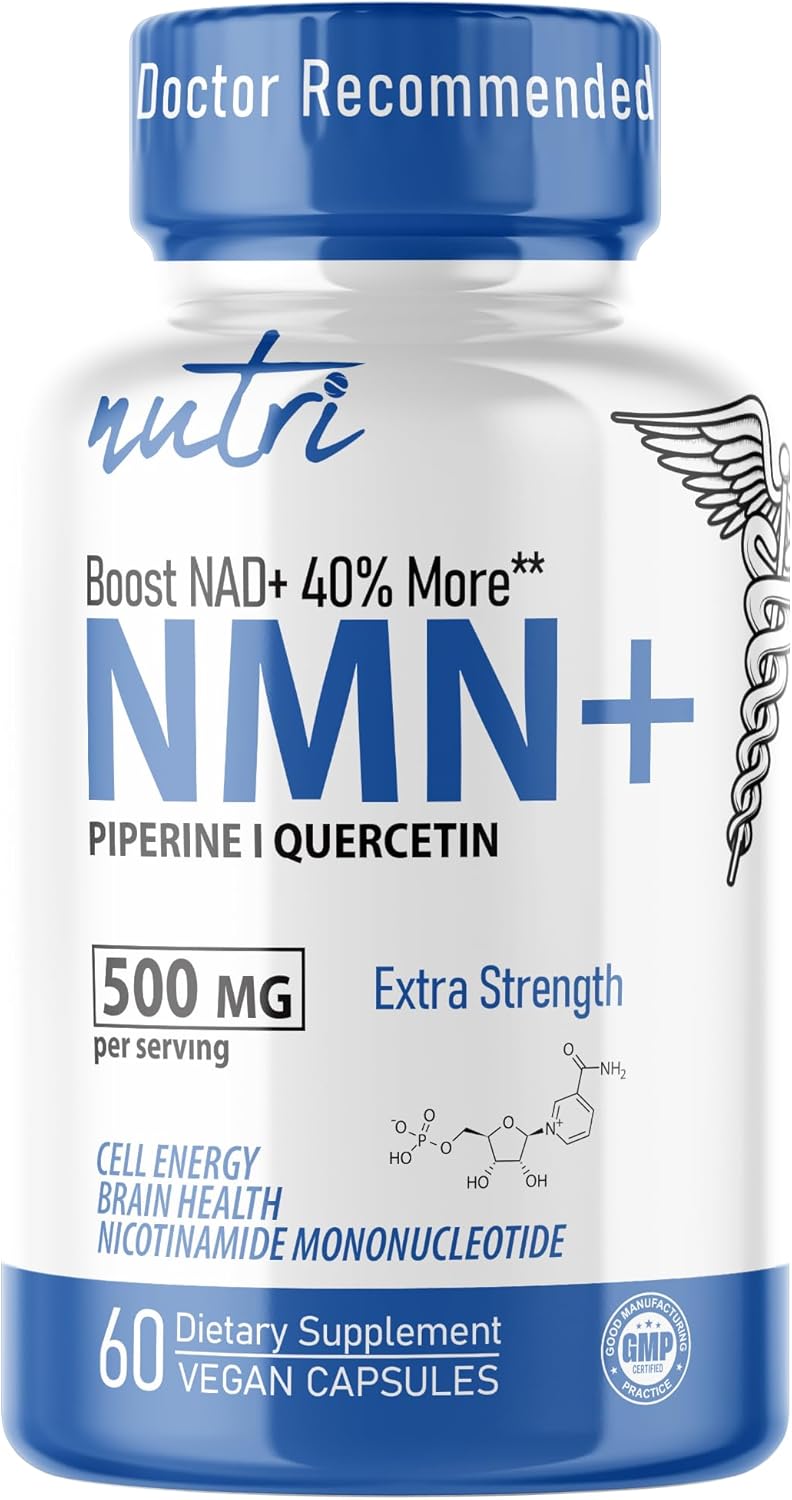
NMN (Nicotinamide Mononucleotide)
A precursor to NAD+ studied for supporting mitochondrial function and genomic stability.
View on Amazon3. Telomere Protection & Cellular Lifespan
Telomeres shorten with each cell division. Excess oxidative stress and inflammation accelerate this process.
Studies published in The Lancet Oncology and Nature Reviews Genetics show shorter telomeres are associated with increased disease risk and mortality.

High Potency Omega-3 (EPA/DHA)
Clinical research suggests omega-3 fatty acids may support telomere maintenance and reduce inflammation.
View on Amazon4. Chronic Inflammation: The Silent Accelerator
Low-grade chronic inflammation, sometimes called inflammaging, accelerates tissue breakdown and cellular senescence.
Slow agers maintain lower inflammatory biomarkers such as CRP and IL-6.
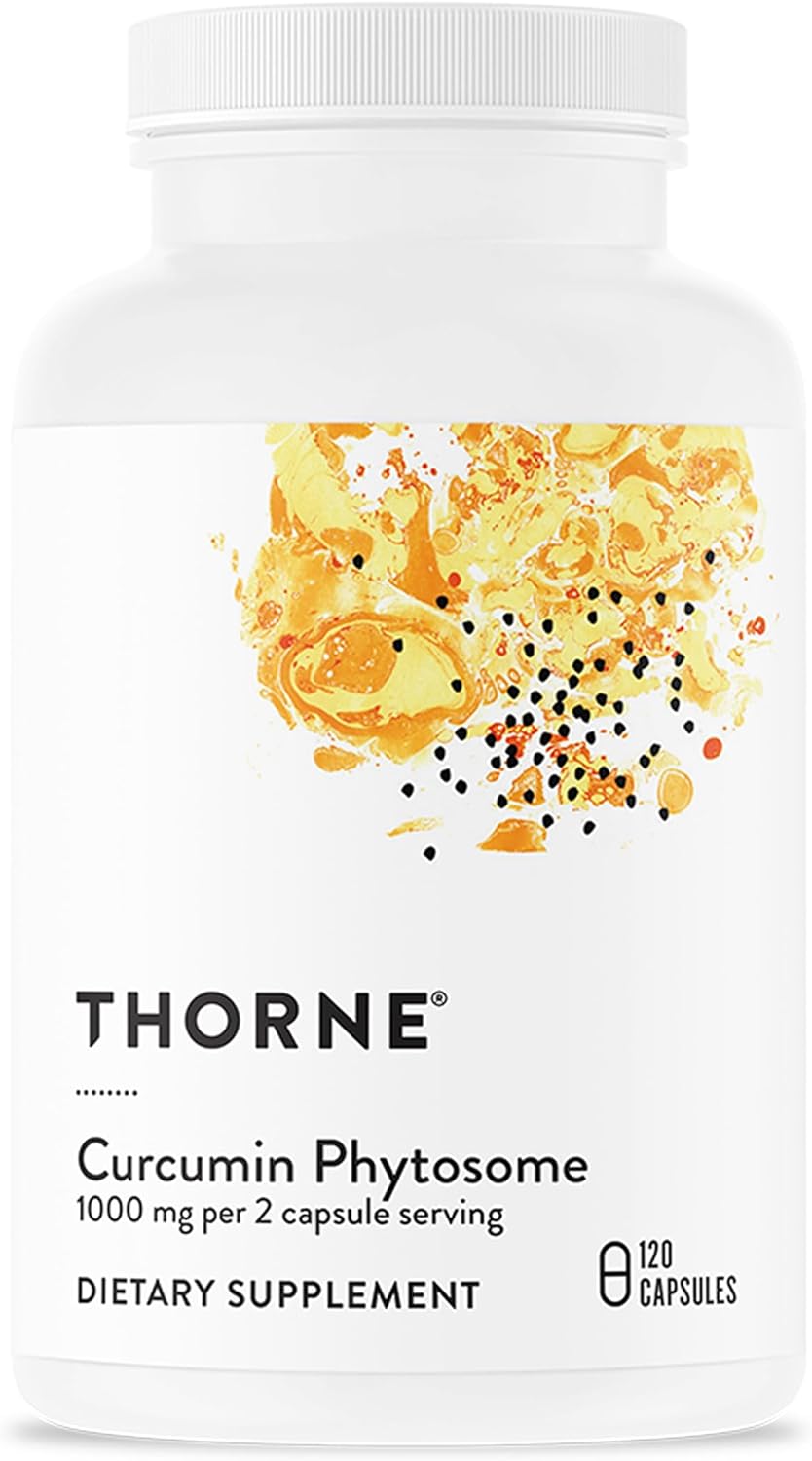
Curcumin Phytosome
Studied for modulating inflammatory pathways and supporting cellular resilience.
View on Amazon5. Real-World Example: Caloric Restriction & Longevity
Long-term caloric restriction research in primates and humans shows delayed onset of age-related disease, improved insulin sensitivity, and reduced inflammatory markers.
Studies published in Nature and Cell Metabolism confirm improved mitochondrial efficiency and metabolic flexibility in restricted groups.

Continuous Glucose Monitoring Device
Helps track metabolic flexibility and glucose stability — key factors in healthy aging.
View on AmazonConclusion
Some people age slower because their cellular systems remain efficient longer. Strong mitochondrial function, stable NAD+ levels, preserved telomeres, low inflammation, and metabolic flexibility create a protective biological environment.
Longevity is not random. It is cumulative cellular maintenance.
Scientific References
- López-Otín C et al. The Hallmarks of Aging. Cell. 2013.
- Horvath S. DNA methylation age of human tissues and cell types. Genome Biology. 2013.
- Blackburn EH et al. Telomeres and Telomerase: The Path from Maize to Human Health. Nature Reviews Molecular Cell Biology. 2006.
- Campisi J. Aging, cellular senescence, and cancer. Annual Review of Physiology. 2013.
- Colman RJ et al. Caloric restriction delays disease onset and mortality in rhesus monkeys. Nature. 2009.


